3 min(s) read time
Even more control and automated financial oversight
- Team EIFFEL



In organizations with large volumes of financial transactions and complex structures, the challenge goes beyond processing scale. It’s about structurally improving processes, systems, and collaboration—especially when strict compliance requirements such as SOX must also be met.
That’s what financial transformation is about: redesigning processes, using technology intelligently, and clearly organizing ownership. The result is reliable reporting, reduced risk, and room for growth.
In this case, you’ll read how a phased approach led to greater control, reliability, and speed in financial processes.
"Thanks to the contribution of Eugenie Heijtveldt, we not only gained control over our financial processes, but also laid a strong foundation for further growth and digitalization."
The challenge: three projects toward full financial control
For this organization, the challenge lay in optimizing financial processes—particularly given the high number of daily transactions and the complexity of its organizational structures.
The transformation consisted of three separate projects, each building on the results and lessons learned from the previous one. Together, they formed a logical growth path toward financial control and digitalization.
- Optimization of the reconciliation process
The first project focused on implementing a new supplementary payment method within the existing reconciliation solution. Because this solution was not an accounting system and had no direct connection to the financial ERP system, achieving both technical and financial integrity posed a significant challenge. - Integration of International Holdings for the Finance department
After completing the first project, the next step was integrating International Holdings into the financial administration. This involved setting up and configuring administrations in Dynamics, clearing backlogs, and delivering annual accounts in collaboration with tax advisors. Following successful implementation, the project was handed over to the permanent Finance team. - Implementation of an automated administration for Operations
The third and most impactful project involved jointly designing and implementing an automated financial administration for Operations. This administration needed to meet strict SOX compliance requirements and provide a solid foundation for reliable financial reporting.
The approach: executed by the consultant, owned by the organization
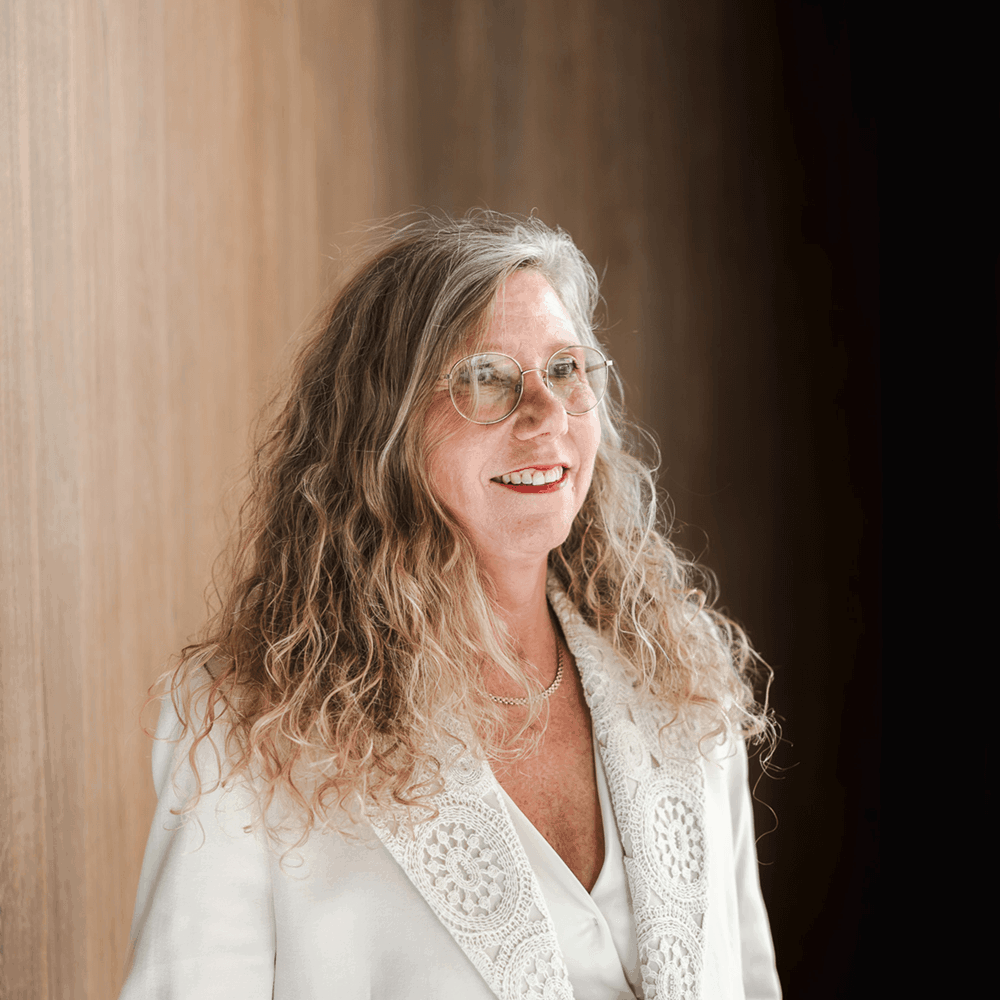
The transformation was led by finance project manager Eugenie Heijtveldt and embraced by the organization. Together with the project team, she worked step by step on transforming the financial processes. In collaboration with internal departments, BI specialists, and external vendors, the following steps were taken:
- Process optimization around reconciliation of the new payment method
- Alignment of monthly reporting with Dynamics
- Training employees in new systems and processes
- Development of BI reports for immediate and reliable insights
- Setup of a SOX-compliant administration with supporting IT frameworks
- Improved control mechanisms and more efficient process design within Operations
- More intensive collaboration between Operations, Finance, and the BI team
Deep knowledge of both systems and processes created an effective bridge between operational efficiency and financial accuracy.
Early results—and what’s next
Although the third project is still underway, the first results are already visible:
- More efficient processes
Manual reconciliation is being replaced by automated controls, saving time and reducing errors. - Reliable financial reporting
Upon completion, the organization will have fully automated, SOX-compliant monthly reports that provide the right steering information. - Improved collaboration
Finance and Operations now work more closely together, strengthening financial accountability. - Faster issue detection
With real-time insights, deviations can be addressed more quickly, leading to fewer customer inquiries and smoother internal processes.
Systems and reports are currently being further implemented, with completion of process optimization and automated reporting planned for this summer. The focus has been on implementation, training, and sustainable improvement.
“When we presented the first new reports to the client, we saw nothing but happy faces. This delivers so much more insight, reliability, and steering information,” Eugenie says.
Bottom line
Financial transformation isn’t about a single intervention—it’s about deliberately building a solid financial organization.
Thanks to our contribution, the organization not only optimizes its financial processes, but also lays a strong foundation for further digitalization and growth. Where work was once manual and fragmented, there is now a single, cohesive, automated process that puts the financial organization firmly in control.