4 min(s) read time
Maintaining control over a critical project in a fast-growing start-up
- EIFFEL Project Controls

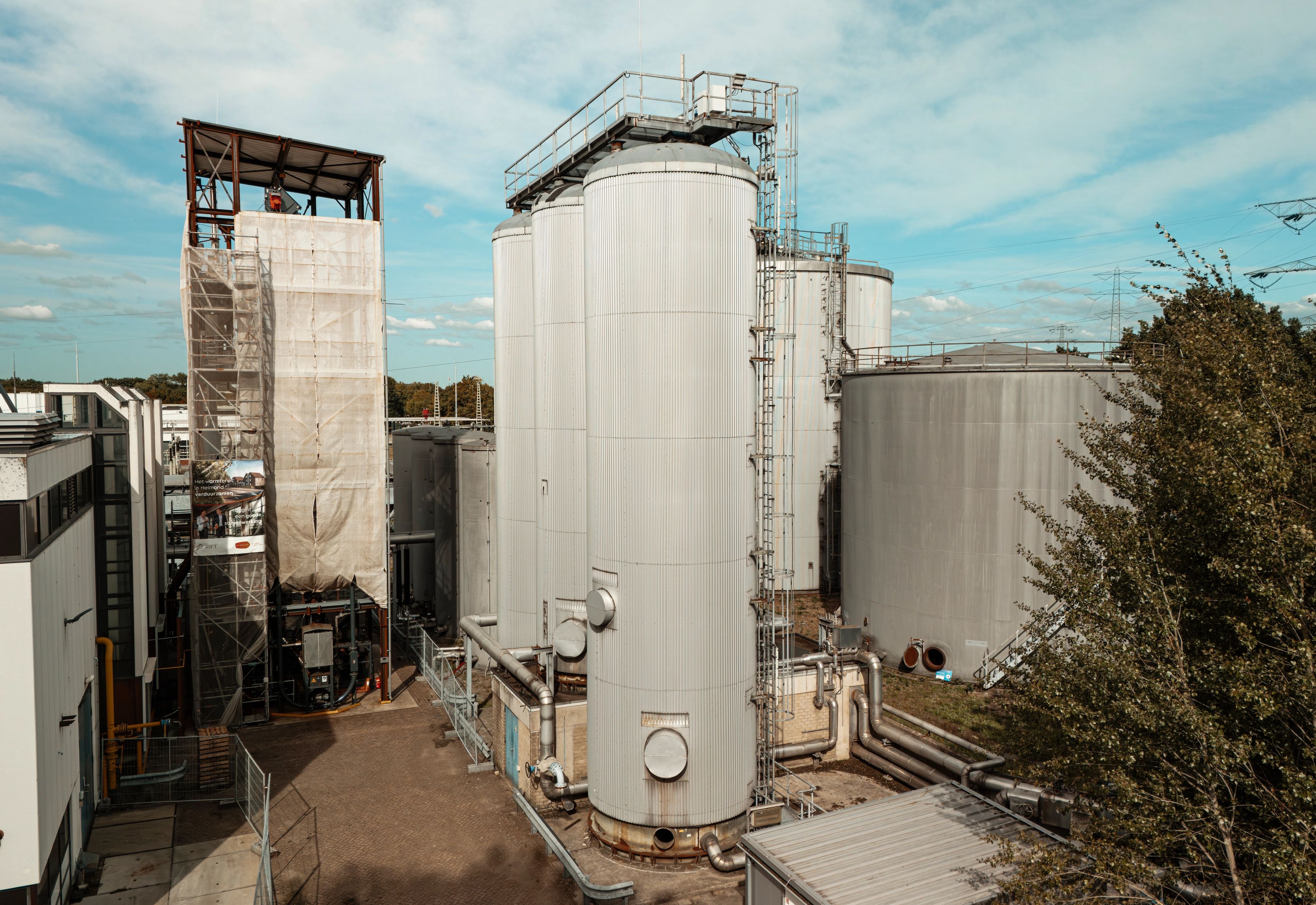

The energy transition calls for new technologies to decarbonize industrial heat. Dutch technology company RIFT (Renewable Iron Fuel Technology) is developing such a solution: generating heat by burning iron powder. This makes it possible to supply industrial processes with CO₂-free heat—without the heavy electricity grid connections required for full electrification.
To bring the technology to a commercial scale, RIFT is developing its first large-scale project: Alpha One. This project marks an important step in building a value chain in which iron powder is burned at industrial customer sites, and the resulting iron oxide is centrally converted back into iron powder.
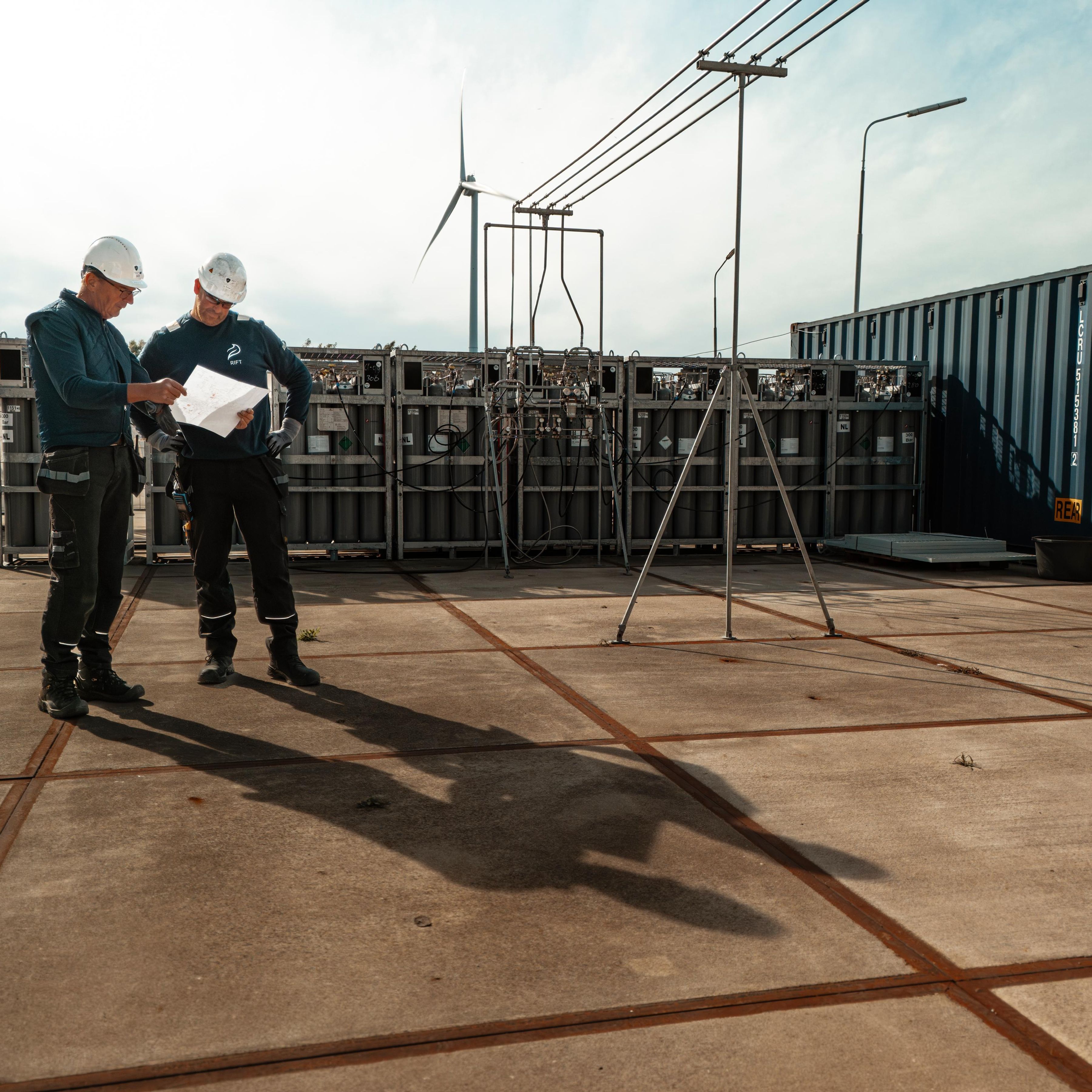
But an innovative project in a fast-growing start-up also brings challenges. To maintain oversight and control of the schedule, RIFT engaged EIFFEL Project Controls.
This project is crucial for the development of iron powder as a sustainable fuel and for RIFT’s success. We have a narrow path to success and need to steer very deliberately.
Anton de Boer - Project Developer at RIFT
The challenge
RIFT is in a phase where technology, organization, and commercial plans are scaling up simultaneously. The Alpha One project is the first step toward large-scale application of iron fuel.
This means multiple tracks are running at the same time: technical development, testing programs, investment decisions, and preparations for commercial implementation. Many of these activities are—and will remain—interdependent.
At the same time, the dynamics differ from those of many traditional projects. Where large public projects may sometimes have room to shift deadlines, the situation is different for a start-up. Project progress is directly linked to funding rounds—and therefore to the availability of capital.
What makes working in a start-up even more complex is not just financial pressure, but constant change. Scope, priorities, and dependencies shift continuously due to new insights, technical breakthroughs, or discussions with investors and partners. Decisions that make sense today may need to be revisited tomorrow.This calls for a different approach to project control than in more predictable environments. Not everything can be fixed upfront, and waiting for complete information is often not an option. In this dynamic context, it is essential to look ahead, explore scenarios, and actively support the team in making choices.
In many projects, deadlines are targets to aim for—and they can be moved. In a start-up, reaching a deadline can mean the money runs out. That creates a very different dynamic.
Siebren van Noort - Project Controls Consultant at EIFFEL
Within the team, the direction was clear. But which concrete steps were needed, who was responsible for what, and when activities should take place had not yet been defined clearly enough.
As one team member put it at the start of the assignment: the workload was high, but it wasn’t always clear what the next step should be tomorrow.
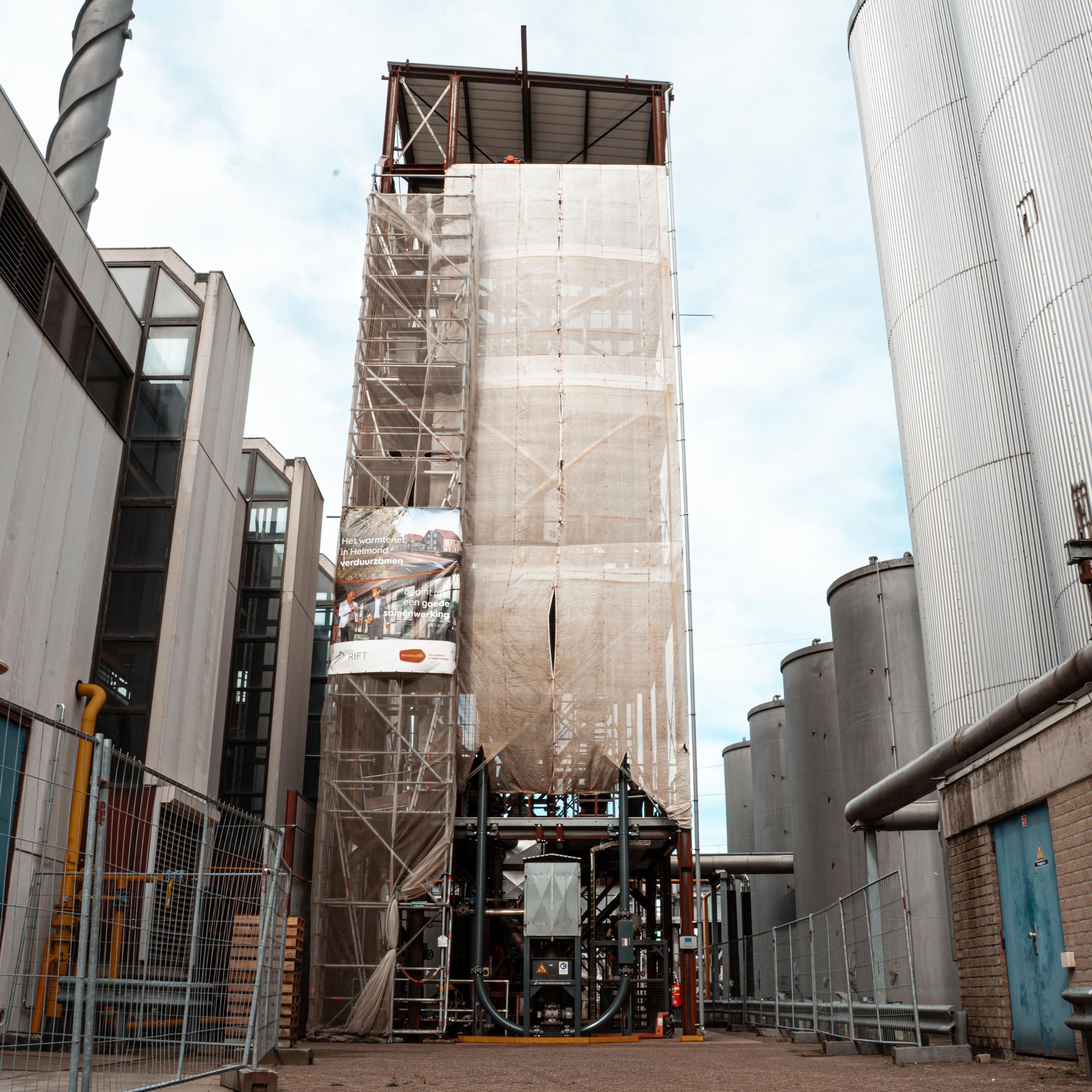
The approach
To bring structure to this dynamic environment, EIFFEL Project Controls became closely involved in the Alpha One project. Consultant Siebren van Noort was tasked not only with creating a schedule, but with jointly shaping how project control should be organized within RIFT.
This explicitly did not mean planning from the sidelines. Siebren worked hands-on within the project, joined meetings, and actively gathered information from engineers, project management, and leadership. By operating at the heart of the organization, he could pick up early signals and translate them—together with the team—into concrete decisions and priorities.
Instead of waiting for all information to be complete, the team worked proactively with assumptions, scenarios, and bandwidths. This resulted in a schedule that not only clarified what needed to happen, but also supported forward thinking: what does a change here mean for other tracks? Where are the biggest risks, and what does the team need to anticipate today?
This way of working made the difference. Project control became not an administrative tool, but an active steering instrument in an environment that is constantly evolving. The schedule evolved along with the project and was refined as new insights emerged.
In weekly updates, the team jointly reviewed which activities had shifted, where new dependencies had arisen, and which actions should take priority. As a result, the schedule became a shared reference point for the entire team, rather than a document that merely existed alongside the work.
Siebren doesn’t stop when he doesn’t yet have the answer he needs. He keeps asking questions and involving people. That’s how essential information surfaces for a solid schedule.
Anton de Boer - Project Developer at RIFT
The result
Today, the project schedule provides RIFT with a current and shared overview of the Alpha One project. The team can see how activities connect, where dependencies lie, and where adjustments are needed.
Because the schedule is updated regularly, bottlenecks become visible earlier. This enables the team to make faster decisions and explore alternatives when activities are delayed.
Equally important is the impact on collaboration. Teams share information about progress and risks earlier, preventing issues from surfacing only at a late stage.
For RIFT, this means greater control over a project that is critical to the company’s further development. For EIFFEL Project Controls, the assignment underscores the importance of an approach that moves with the dynamics of start-ups: not just creating plans, but steering together with the team, adjusting where needed, and continuously looking ahead.