Business Unit Director Integrale Projectbeheersing
Bekijk LinkedIn profielGo to:
Main content3 min(s) read time
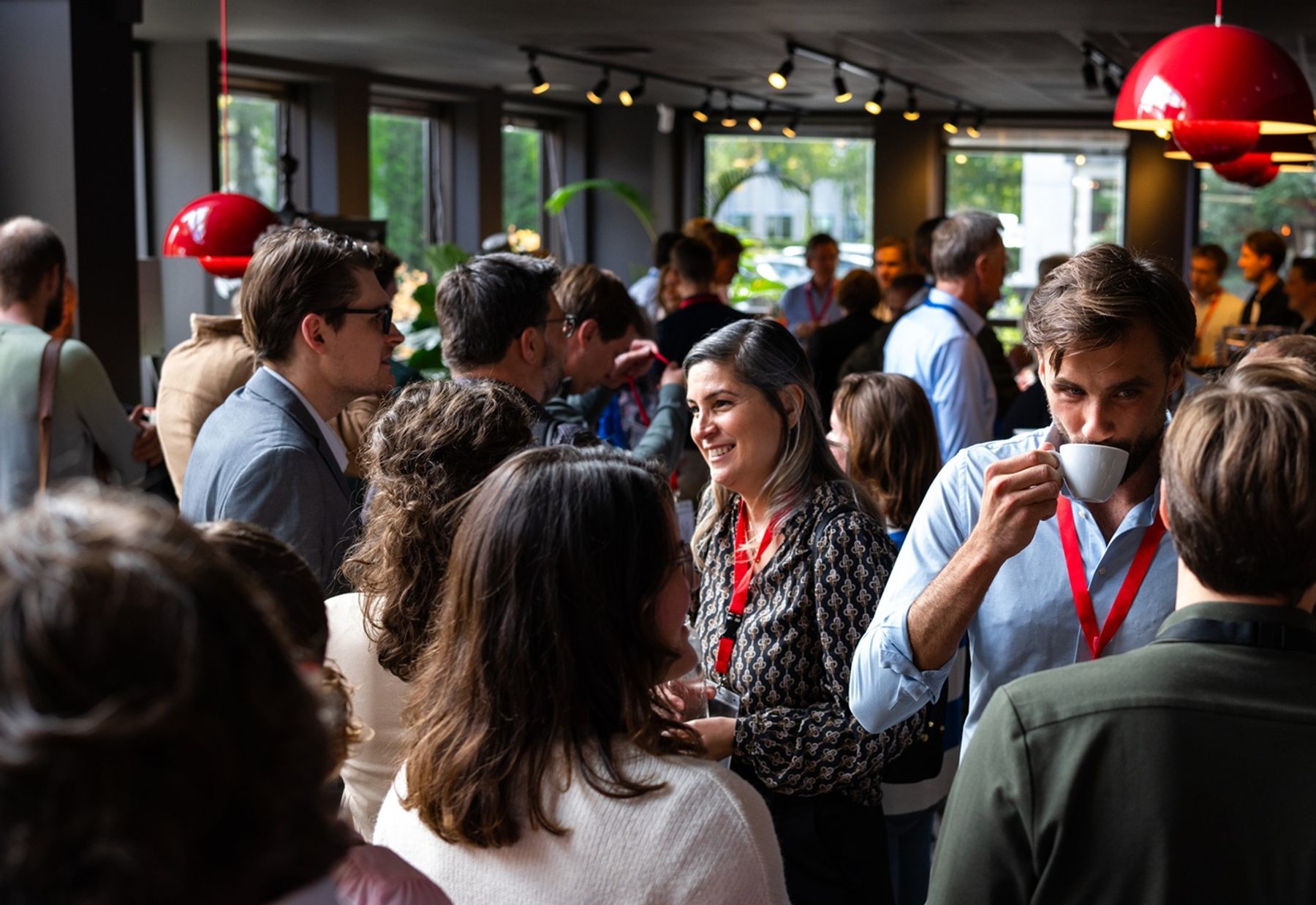
On Thursday, October 30, EIFFEL Projects is organizing the Project Control Knowledge Event 2025 at Jaarbeurs Utrecht with the theme "From Controller to Influencer—soft skills as the key to balance." Business Unit Director Daniëllo Boszhard spoke ahead of the event with keynote speaker Paul Wilkinson, international expert in behavioral change and change management.
Executive sensitivity, communication skills and the ability to focus on societal value are now more important than ever. For many organizations, this reality means a culture change is needed.
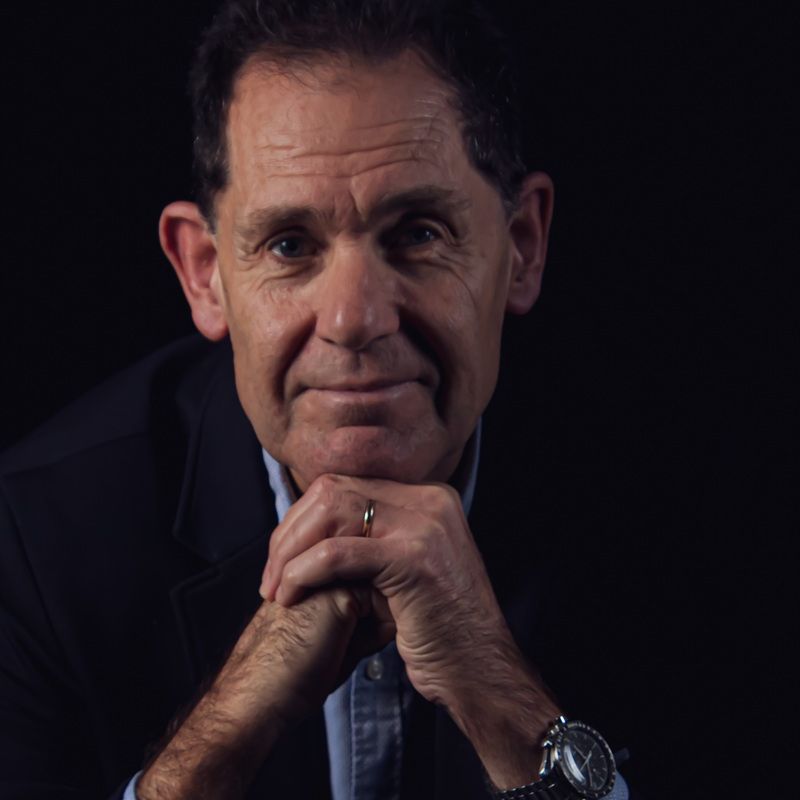
Daniëllo Boszhard - Business Unit Director
"Societal pressure on project control is increasing," Daniëllo explains. "The built environment is becoming more complex and there are more and more moving parts. Think of increasing regulatory pressure, capacity and resource shortages, and growing demand for major maintenance and new projects. The number of stakeholders is often enormous. Add to that technological developments like AI creating different dynamics. In that context, technical control and professional knowledge are still important, but absolutely not sufficient. Executive sensitivity, communication skills and the ability to focus on societal value are now more important than ever. For many organizations, this reality means a culture change is needed." Paul, international expert in behavioral change and change management: "In its overview of 'top skills for 2030,' the World Economic Forum lists only 2 hard skills: AI application and big data analysis. Beyond that, it's soft skills like resilience, flexibility, agility, critical and creative thinking and social influence that will make the difference for organizations. That is telling, in my view."
"There is room for improvement in my sector too," says Paul. "As many as 70% of IT projects fail. Deadlines are missed and budgets exceeded, or the result is simply not high-quality enough. If you look at the cause of that failure, it's not the complexity and it's not the technology either. It very often lies in how people behave and collaborate. If you ask participants afterward what went wrong, they say almost without exception: communication." Daniëllo adds: "On average, we are terrible at communicating, while we often think we're good at it. Many people find it difficult to truly listen to others. That is a crucial skill to make progress with teams and organizations. Only through active listening do you discover how people see their own role, what obstacles they face, what makes them happy or decidedly not."
Especially with complex projects involving conflicting interests, it is crucial for project controllers to understand well the objectives and core values of all stakeholders.
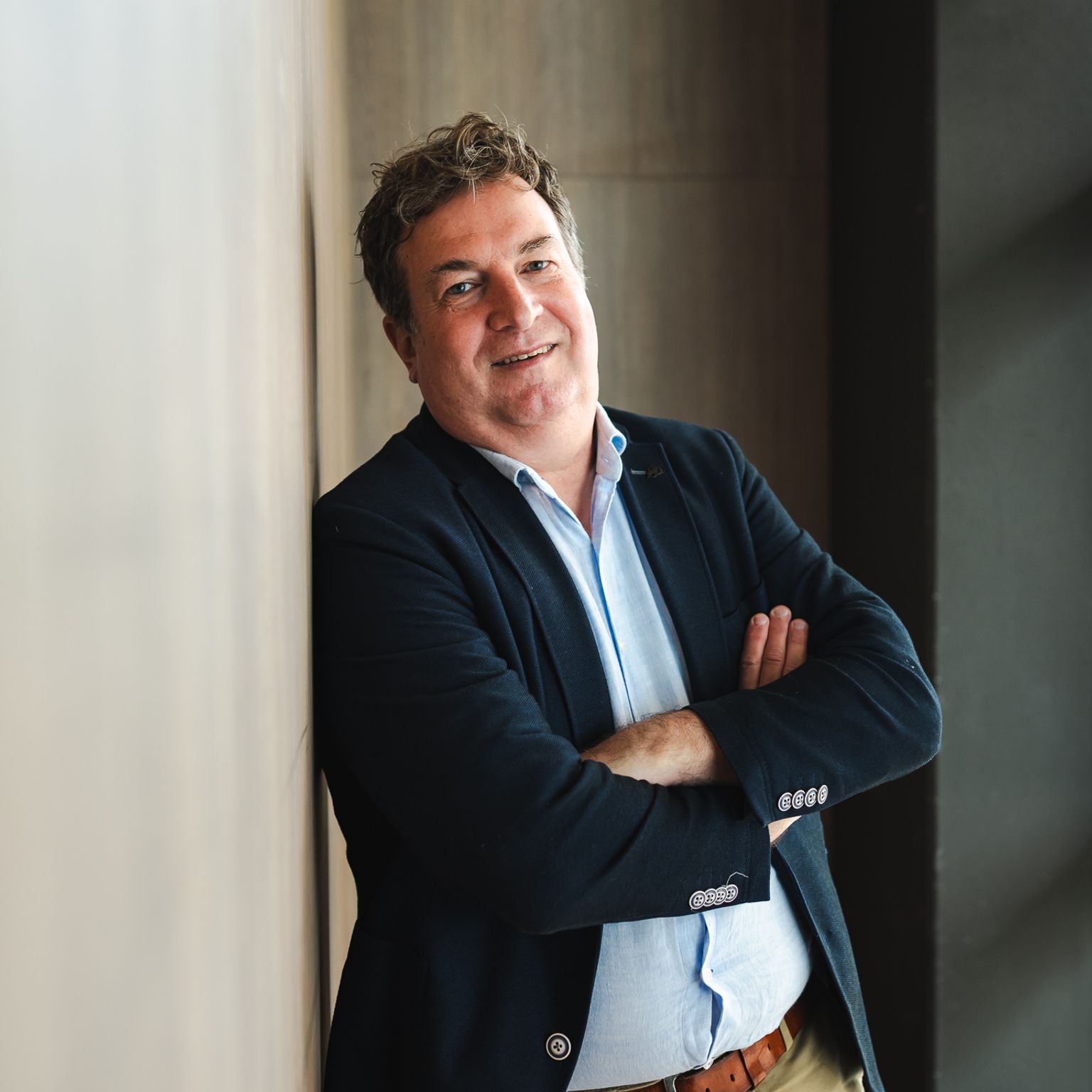
Paul Wilkinson - Paul Wilkinson - Expert in Behavioral Change and Change Management
Paul: "We live in a time of polarization and hardening. You have to be careful not to upset people, because then you can expect an attack right away. That overall tendency of intolerance and short fuses unfortunately also manifests in many professional environments. Especially with complex projects involving conflicting interests, it is crucial for project controllers to understand well the objectives and core values of all stakeholders. The question that must then be answered is: what value are we willing to sacrifice? Or: what part of the project cannot proceed? That requires compromise, and you only achieve that if everyone feels heard." Daniëllo adds: "A project controller should be able to work in a safe environment where it's okay for people to speak up. An environment where conflicting views and emotions are given space, without people being damaged by speaking up or sticking their necks out." Paul: "Practice shows that only through a focus on soft skills do you successfully create such an environment."
"It seems very interesting to me to hold up a mirror to event participants in a constructive way," says Daniëllo. "How is psychological safety actually doing within their own organization? Is there room for so-called 'brilliant failures,' in other words: is there room to make mistakes that make you more successful? Is there truly listening, and what is done with the insights that yields? The culture change that is so badly needed at many organizations requires dedication and patience. It doesn't happen overnight. With Paul's help, we will help participants take some first steps. I look forward to it!"