3 min(s) read time
Healthcare Contracting as a Bridge Between Quality and Affordability
- EIFFEL


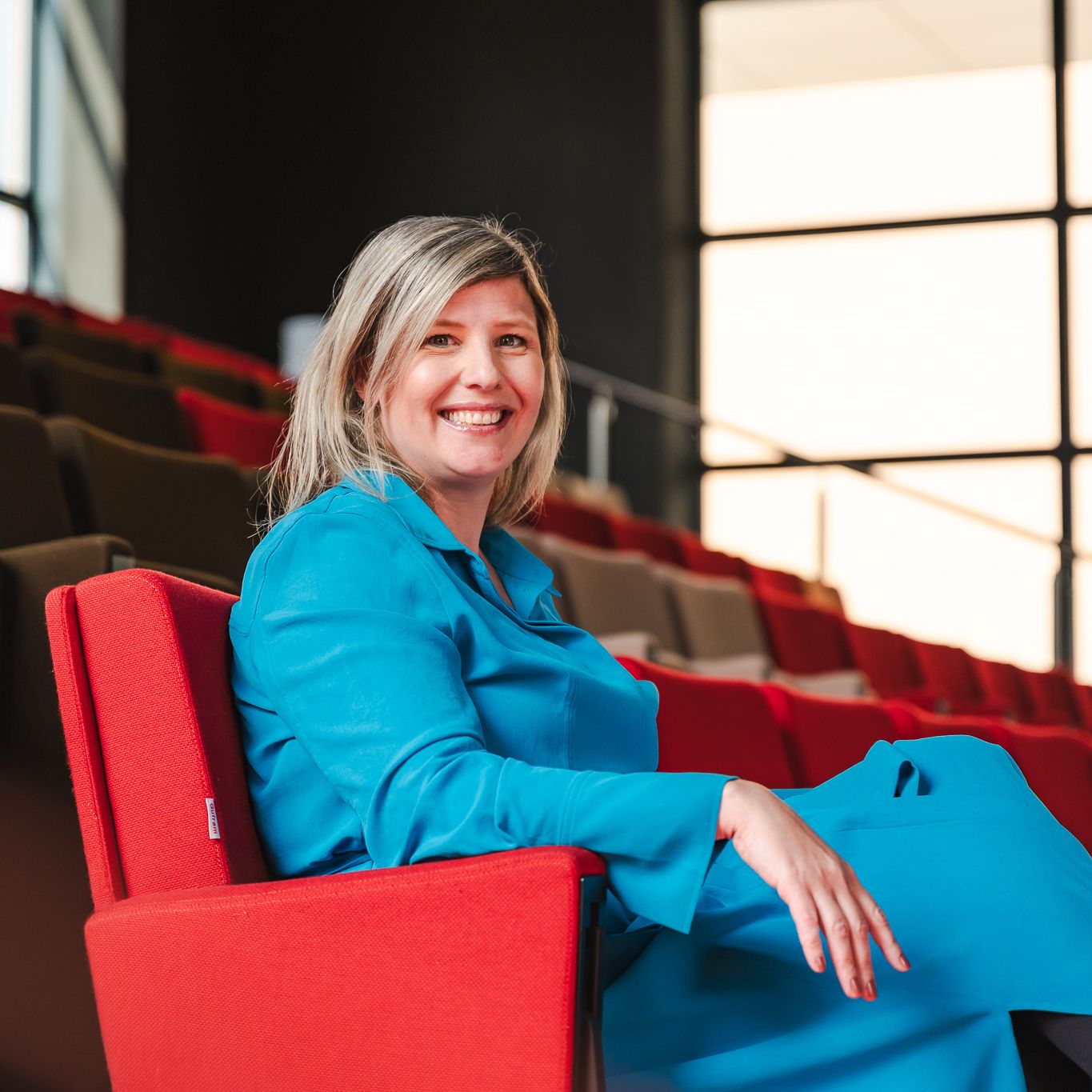
Healthcare contracting is invisible to most people. Yet it directly determines which care is available, at what price, and under what conditions. "As an insurer, you share responsibility with the provider for ensuring affordable, accessible, and high-quality care delivered efficiently," says Enrico Madeddu, consultant at EIFFEL.
"As a provider, you want to be attractive to the insurer so they enter into contracts. Both sides ensure that care is efficient, quality is high, and you can provide the best care to as many patients as possible."
On Both Sides of the Table
Enrico worked on both the insurer side and the provider side. That experience makes him a bridge-builder. "It's valuable to have a broad perspective from different healthcare organizations. You know what it's like for an organization close to the patient and for the organization above, like an insurer or the government. When you understand both sides, you engage in conversations more easily and make better choices within an organization."
According to him, trust is essential. "If the relationship between insurer and provider isn't good, it works against you. With good relationships, there's more room for customization and you can make excellent progress more precisely and quickly."
The Price of Poor Contracting
When contracting doesn't go well, the consequences are significant. "The worst is when there's no contract. That's problematic—the patient receives a lower reimbursement from the insurer and must pay the difference out of pocket. That's the last thing you want."
Poor negotiations can also hit hard financially. "For example, if a cap of 2 million is agreed between insurer and provider for a year. If you reach that as a provider in September, then 3 months of care won't be reimbursed. That can lead to bankruptcy. On the insurer side, a poor negotiation can mean you run financial risks or contract providers who significantly reduce care quality."
From Vision to Numbers
In the mental healthcare sector, Enrico conducted strategic conversations. "You listen to the provider: this is our vision and how we want to make our care more efficient. Then you try to assess whether the vision is correct and whether we want to and can work with this. Next, you translate that together with the accompanying quote into numbers: exactly how much money do they want to receive, what does their proposal ultimately mean financially for us, and what agreement structure will we use? This involves a lot of Excel and data analysis."
A good example of a successful project was at an insurer: "As a team, we had internal targets to save specific costs without compromising on care quality. We functioned so well that we finalized most agreements within the deadline. Unique in the insurance world. We made agreements on quality and efficiency instead of finances alone. Both parties could move forward with that, and it even meant more positive numbers for the insurer."
Increasingly Sharp Negotiations
Enrico notices that the pressure on contract negotiations is increasing. "Healthcare is getting more expensive, but less money is available. Both parties must organize more care with less money, which reduces negotiationroom. You notice that negotiations are getting tougher. The relationship is even more important then: talking, looking at what's truly needed, and how you can help each other. All with the goal of delivering good and affordable care to the patient."
According to Enrico, the system must change in the long term. "Eventually, the current way of contracting can't continue to exist. Otherwise healthcare will become truly unaffordable and unmanageable."
"Er moet worden nagedacht over een ander systeem om keuzevrijheid en het vertrouwen in de patiëntenzorg te behouden. Dit is nodig om zowel verzekeraars als aanbieders te laten voortbestaan."
The Strength of EIFFEL
His experience at multiple organizations pays off directly in projects. "From EIFFEL, you bring a lot of knowledge to insurers and providers that you can implement in your new project. This makes you more creative and gives you more solutions. Sometimes clients literally ask me: how did you do this somewhere else? Then you come up with ideas that work, adapted to what I've seen before."
Within healthcare contracting, the main focus is on affordability and quality of care. Given the rising healthcare costs, it's essential to deploy limited resources efficiently. That's why we translate policy and quotes into clear scenarios, manage indicators such as wait times, continuity, and outcomes, and make agreements that reduce waste and safeguard quality.
"We, consultants at EIFFEL, always put people's health first, without compromising the company's finances."