4 min(s) read time
The future of project control: why clients need to manage differently now
- EIFFEL Projects
Water safety projects are accelerating, growing in complexity, and becoming increasingly intertwined with environment, technology, and data. Yet many clients still manage as if project control is mainly about delivering schedules, risk files, and dashboards.
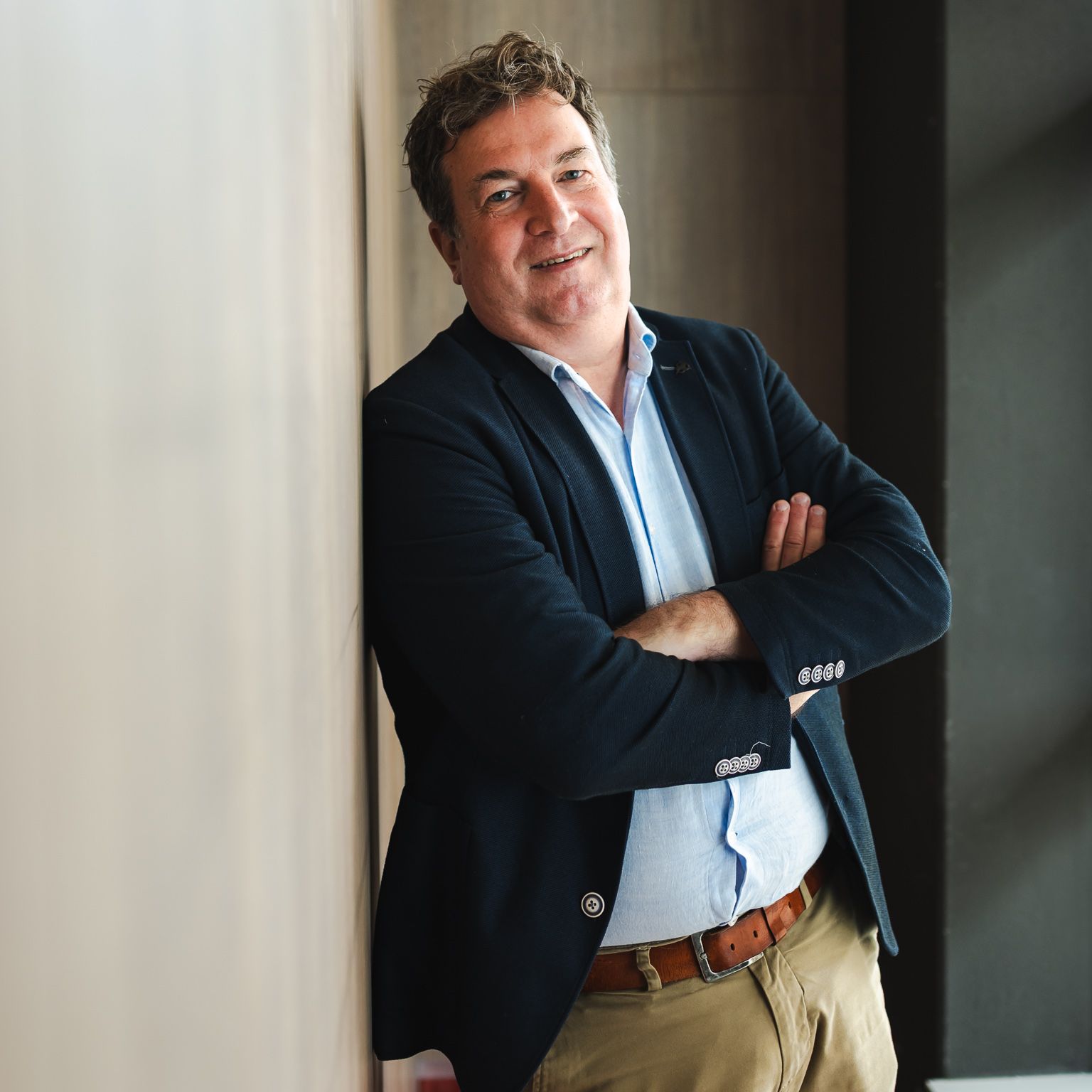
According to Maarten Lolcama, senior project control advisor at EIFFEL Projects, that's exactly where the friction starts. He's worked on water safety projects for 25 years and sees the shift clearly: "The future of project control isn't about products anymore. It's about people. You only manage integrally when you understand what happens between disciplines."
The future of project control isn't about products anymore. It's about people.
Maarten Lolcama - Senior project control advisor
The real bottlenecks aren't in the instruments
Clients invest in processes, formats, and tools. That helps, but only to a point. The delays happen somewhere else: in behavior.
- Teams connect too late.
- Disciplines work past each other.
- Decision-making stalls because no one has the full picture.
Maarten sees it often. "You can have a perfect risk file, but if a team doesn't feel why it matters, nothing happens." The problem isn't in the product. It's in the lack of collaboration.
Why product-driven management has reached its limit
For years, project control was about delivering products. But in today's practice, behavior determines progress.
- A schedule only works when disciplines carry it together.
- A risk only exists when the team recognizes it.
- A dashboard only adds value when people discuss it.
The trend Maarten sees is clear: "We're shifting from a blue request – need for products – to the point where soft skills become decisive." Products remain necessary, but collaboration determines if they have impact.
Where integrated work in water safety hits friction
In water safety projects, technology, environment, data, and time pressure converge. That's where it often binds on one point: role clarity. "Among clients, especially within water boards, role clarity remains a challenge," says Maarten. When responsibilities are vague, risks linger longer, information gets shared less, and tensions emerge in decision-making. Project control must then connect, probe deeper, and give meaning to information.
Example: KIJK – dike reinforcement Krimpenerwaard
In the KIJK project, Maarten saw this sharply. The alliance brought 2 IPM teams together, with different interests and rhythms. There, integrated collaboration became more important than technology alone.
The client needed people who could:
- take sharp notes and think along;
- make tension visible in meetings;
- link teams on planning, environment, and technology;
- switch across business lines.
That role – a 'project supporter-plus' with a sense for integration – was filled by Keke van der Wal and made an immediate difference. She brought progress, clarity, and better conversations.
The changing role of project control
Project control has developed in 2 directions over the past 10 years:
1. From product to behavior
Soft skills become leading. Teams want someone who listens, probes, and picks up early signals. Someone who dares to open the conversation when risks stay under the table.
2. Van project naar programma
Organizations increasingly manage at program level. Think of:
- HWBP with dozens of projects simultaneously
- Rijnland with 40 polder pumping stations
- Alliander and TenneT with extensive portfolios
That requires:
- data-driven insight into capacity
- portfolio-wide risks
- coherence in planning, costs, and resources
Maarten sees clients struggling with this. "They want to see the complete picture, but need help getting the basics in order."
3. Developments like data and data-driven risk management
Together with EIFFEL colleagues, Maarten developed data-driven risk management for the High Water Protection Program. This combines historical project data with macro-economic developments, CBS data, and trends. Clients ask for it increasingly: insight that goes beyond 'what happened last year'.
What clients should take from this
Projects don't accelerate through extra documents. They accelerate through direction and coherence.
A project team moves when:
- it understands why something matters;
- professionals feel space to act;
- tension is discussable;
- information gets meaning instead of form.
That requires project controllers who:
- connect instead of deliver;
- see patterns between disciplines;
- stimulate role clarity;
- use data without losing the human element;
- dare to open the conversation about risks or friction.
In water safety projects, where pressure is high and stakes are large, it's precisely that people-focused element that determines how smoothly a project moves.
Looking ahead: project control becomes an integrated people profession
The future requires project controllers who look beyond their discipline. People who connect risks, planning, environment, and technology and bring the team along in what's truly needed.
This way, project control grows into an integrated profession that gives information meaning, signals friction early, and gets teams moving.