2 min(s) read time
Smart Reinforcement of the IJssel Dikes: Safety with Precision in the Krimpenerwaard
- EIFFEL Projects
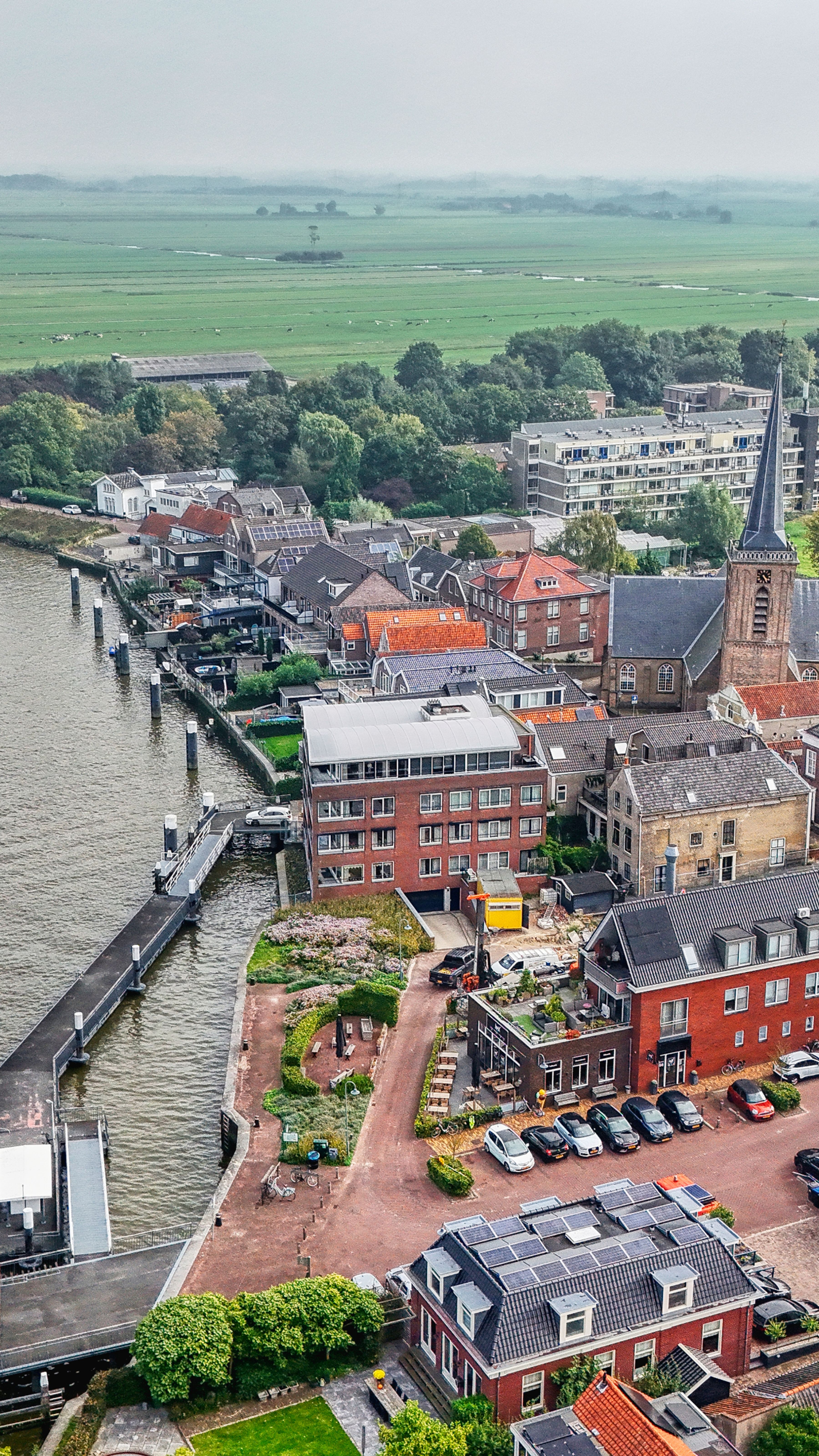
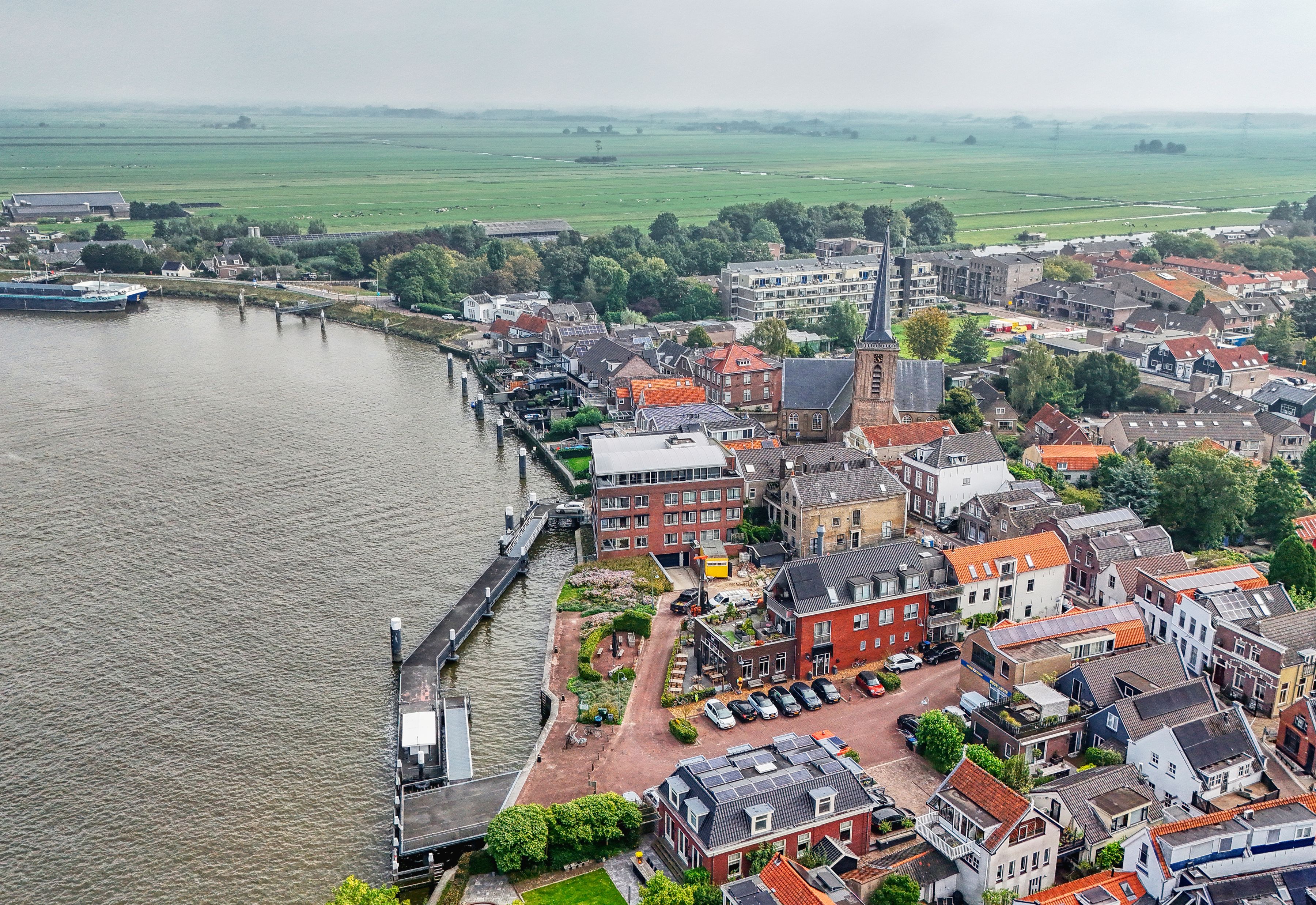
Between Krimpen aan den IJssel and Gouderak, there's over 10 kilometers of dike that no longer meets current safety standards. Through the Krachtige IJsseldijken Krimpenerwaard project—KIJK for short—the Hoogheemraadschap van Schieland en de Krimpenerwaard (HHSK) is working to reinforce this vital flood barrier.
The work area isn't open polder land, but a narrow strip of land between homes, businesses, and historic buildings. The dike reinforcement takes place just meters from 740 addresses. Space is limited, stakes are high, and technical challenges are numerous. This makes KIJK a risk-sensitive project
The Challenge
Reinforcing dikes in a residential area requires precision. Under the dike lies a vulnerable asbestos cement water pipe that must first be safely removed. Work space is extremely limited. And because the work literally takes place against building facades, every vibration is felt.
To prevent damage, the project team chooses innovative techniques like the Silent Piler and Gyropress. These enable vibration-free work, but they require more time, preparation, and technical coordination.
The planning is also thought through in detail. Utility companies relocate cables and pipes in advance. The dike work follows in phased execution. This approach maintains accessibility and safety in the surrounding area. At the same time, it means the work extends over multiple years. The milestone "dike-safe" is now scheduled for late 2029 or 2030.
Within the project, there's extra attention for so-called KKGG risks: low probability, high impact. Think instability, damage to buildings, or failure of vital infrastructure. To enable quick intervention, a separate Opportunities and Risk Fund has been established for this.
The approach
Within the KIGO construction consortium (Van Hattum en Blankevoort and Boskalis), and with support from Royal HaskoningDHV and Witteveen+Bos, the team works on execution that accounts for technology, environment, and time.
From EIFFEL Projects, project control plays a key role. We support issue management—particularly around the Opportunities and Risk Fund, in close collaboration with the contract manager—and quality assurance (internal quality assurance plan). We also contribute to integrated thinking and keeping complexity manageable.
Together with Primaned Projectadvies and others, we work on oversight and control, for example through integrated time-distance diagrams that make the interweaving of activities visual and controllable. This control information is essential for managing risks and supporting decision-making.
Execution starts in September 2025 and runs through 2026. During this period, work happens at multiple locations simultaneously. Disruption can't be completely avoided, but through smart phasing and continuous coordination with the surrounding area, inconvenience stays limited.
The result
Project KIJK delivers safety first and foremost. The dike will soon meet standards again, significantly reducing flood risk. But the project does more than that.
It shows that large-scale interventions are possible even in a sensitive environment, as long as technology, phasing, and communication are in order. KIJK therefore offers not only protection, but also perspective: on a future where safety, livability, and sustainability go hand in hand.