3 min(s) read time
Looking ahead instead of course-correcting: stronger control in Rotterdam 7
- EIFFEL Projects
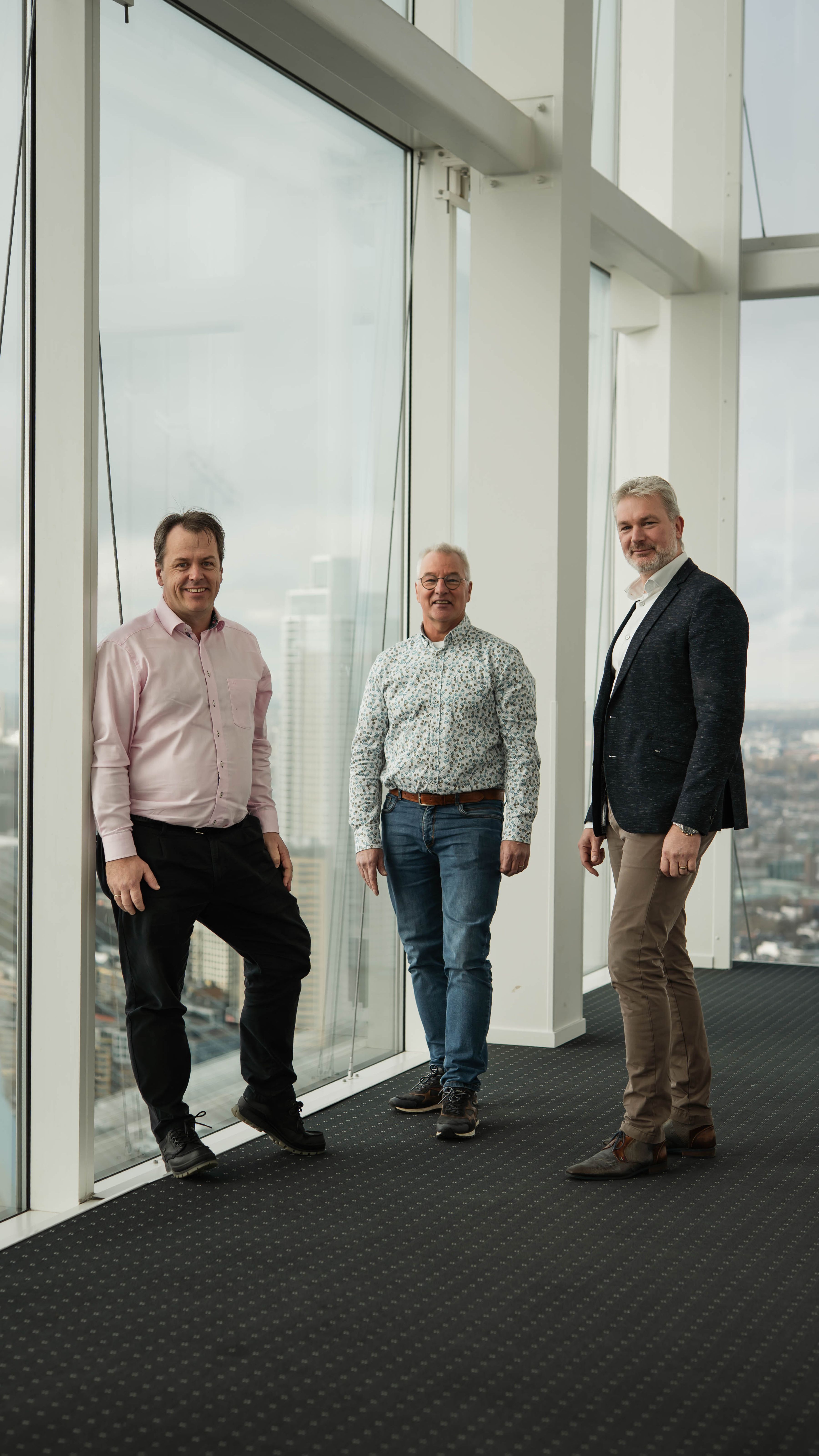
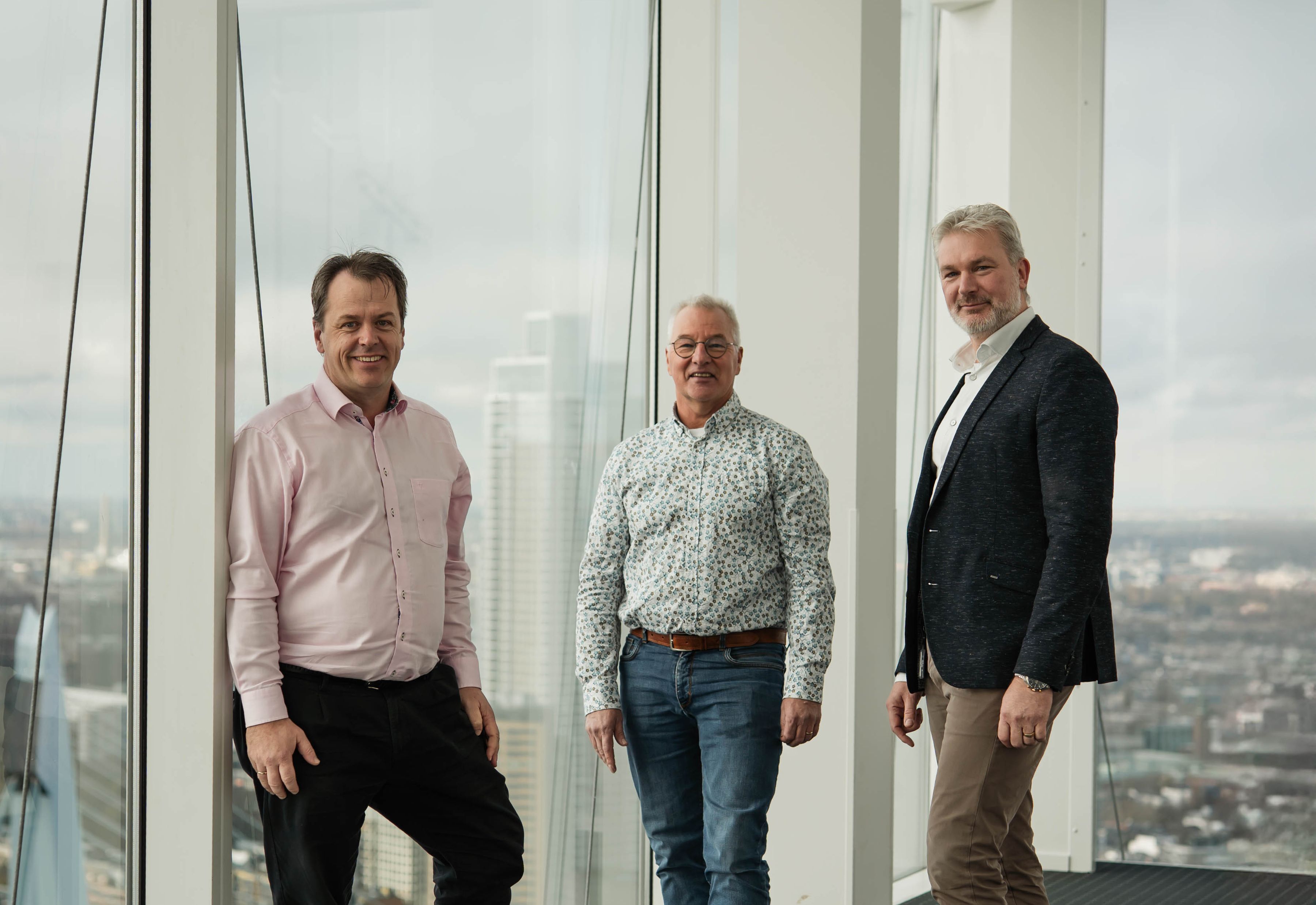

Within Rijkswaterstaat Rotterdam 7, dozens of infrastructure projects are managed under a single contract. The scope ranges from routine maintenance (such as mowing) to major variable maintenance (including the renovation of bridges and viaducts). EIFFEL Projects was asked to strengthen project control—using an approach that enables teams to look ahead rather than correct issues after the fact, while giving young talent ample room to grow and contribute fresh insights. The result: better collaboration, greater control, and a lasting impact on both working methods and team dynamics.
Within Rotterdam 7, Rijkswaterstaat works with four project teams on a broad portfolio of infrastructure projects. These range from daily maintenance to long-term DBFM contracts and are executed under a so-called Additional Agreement (NOK): an integrated contract in which multiple disciplines and products come together.
In this complex environment, responsibility for project control—including planning, risk, and quality—rests with a central project control team within each project team. In practice, however, this proved challenging.
“You’re dealing with four project teams, each with their own managers and multiple advisors. Everyone has a slightly different way of working or perspective on project control,” says Pieter van der Knaap, portfolio manager at EIFFEL Projects and key role holder for the cluster within Rijkswaterstaat until the end of 2025.
The request to EIFFEL Projects was clear: strengthen project control with high-quality expertise, but also make sure it works in practice. The bar was set high—seniority was requested—while the team primarily needed structure, focus, and collaboration.
The approach
EIFFEL Projects chose an approach that made sense both substantively and organizationally. Instead of deploying only highly experienced specialists, they deliberately formed small, multidisciplinary teams per cluster, combining junior, medior, and senior professionals.
“The theory of risk management or planning isn’t new,” says Rien Geers, Manager Project Control at Rijkswaterstaat. “The difference lies in how you work together. How do you make it engaging and valuable for the team? How do you ensure people feel involved?”
That’s why significant effort was invested in team dynamics and structure. EIFFEL Projects advisors didn’t just take work off the team’s hands; they also helped Rijkswaterstaat’s IPM teams shift their focus forward. Rather than mainly looking back, the emphasis moved to timely risk identification, safeguarding quality, and steering clearly on priorities.
One example is the themed session called “the crystal ball,” where project teams actively look ahead at what’s coming.
“You don’t discuss 200 risks, but four points that really matter,” says Pieter. “That makes conversations at the IPM table far more meaningful.”
Knowledge sharing was also structured through monthly peer sessions between workstreams and themed meetings for project control professionals and advisors. This created a learning network, both within and across clusters.
The difference lies in how you work together. How do you make it engaging and valuable for the team? How do you ensure people feel involved?
Rien Geers - Rijkswaterstaat
The results
The approach led to greater control over risks, schedules, and quality. RWS teams were better able to steer, decisions were made with greater confidence, and project control matured significantly. One important effect: the role of project control became more visible and more valued.
“We’re no longer seen as product suppliers who just come to pick up a document,” says Menno Wulff, key role holder via EIFFEL Projects and successor to Pieter. “We’re right in the middle of the team, thinking along and helping put the puzzle together.”
The development of young professionals also received a boost. Juniors within EIFFEL Projects quickly grew into independent roles, thanks to the trust and space they were given on the project.
“I really like seeing a combination of experienced advisors working alongside young professionals with fresh ideas,” says Rien. “That brings energy, openness, and quality to the team.”
Moreover, the approach delivered results that were shared more broadly. Best practices such as the baseline overview and visual one-pagers have now been adopted across the cluster—and in some cases even organization-wide within RWS.
Collaboration based on trust
The key to success? Trust, openness, and curiosity. Instead of rigidly delivering predefined outputs, this project is about interaction: jointly identifying what’s needed and acting on it purposefully.
“We don’t see EIFFEL as an external supplier,” says Rien. “They’re people who simply work with us. They’re part of the team—and that works.”
Menno agrees: “As an organization, we need to work smarter and more efficiently. That requires mature project control—looking not just at risks, but at the quality of the entire process. This project shows that it’s possible.”
If you want to work on exciting projects that are different every day, this is the place to be.
Pieter van der Knaap - former key role holder Rotterdam 7